









Music globally has breached dimension following a craft of an art that came to life from decades to date.
From bone flute_ a musical instrument crafted by the early humans, we were able to evolve to a phase where genres can be celebrated and carried through legacies. The early signs of music that were able to excel through ages exhibited and prove how vast music grew in humans.
In the current days, it was able to navigate through various phases and widespread over several countries, finalising to become several genres. Culture grew big outlining just several genres making waves across all countries.
In Africa, music presents the culture and the rhythm that defines the root of the unique continent ranging from several genres. In contrast to the view of world music, Africa stands out as a key contest to unleashing the best. This has also spread in various nations located in the continent.
From incredible instruments like kora, djembe, balafon, and mbira, giving rise to rare superstars, Africa has soared to a recongnised musical feat.
Aligned with the new wave, we would outline and discuss top African countries impacting the music curriculum globally.
Nigeria
Just as vast as the African country portrays its dominance in culture and history, Nigeria, as of recent times, holds the most influential peak in music. Perhaps the country rose from the foundation of her pioneers.
The historical phases that ranged from slavery to independence in 1960, enhancing to civil war, Nigeria has always been known for their musically inclined culture.
Before independence, music grew among tribes as the likes of Igbo were known for their music inclined temperament of singing in groups during labor before it grew to ritual purposes. Also, the Hausa were known for similar characteristics. This they did to endure brutal complications linked to their slavery activities, communicate and nurture their mental health.
From the point of division and after independence, several tribes ehanced in their culture musically exhibiting various sounds and inventing various instruments.
In the southeastern part of Nigeria, it was all slanted to their culture that featured wildly rituals, festivals, dancing, and other minor activities. While they evolved in civilization, they were able to invent musical instruments like the idiophones which include the wooden slit drum identified as ‘Ikoro’ or ‘Ekwe,’ the Udu (a clay pot drum), and the Ogene (a metal gong). This instrument aligned with further civilization, which gave rise to incredible statuses like Chief Osita Osadebe, who, among other legends, embodied it to a professional level identified as High life music. While it grew vast, other tribes exhibited the same evolution as the yorubas and Hausa grew in their various genres. Yoruba exhibited mostly in high life and juju music before they advanced in the genre called fuji in the 1960s. They invented unique instruments like Dundun drum, Agogô bell, and Batá drum. Hausa, in the other view, grew in their local instruments featuring the likes of alghaita (a wooden oboe-like instrument), the kakaki (a long metal trumpet), the goje (a two-string fiddle), and the gangan (an hourglass-shaped double-headed drum). All tribes carried their genre in their specific language.
Fela Kuti
While music grew in various tribes, Fela Kuti introduced a new genre.
The legendary pioneer who had just established his music group, Koola Lobitos London, while studying at Trinity College of Music, came back to Nigeria and pushed a distinct genre, this time, a genre that was exhibited through Nigerian official general language Pidgin English.
The difference and power of his calls attracted the whole tribes in Nigeria. Everybody loved him and was connected to his sound. Drafted from various affluences, his soud featured the combination of Western jazz, funk, and highlife.
He carried on with his inspirational sound, talking politics and connecting the whole tribe together. His music would advance to the phase where he attracted the global attention as they were curious about his passion and energy towards Nigerian politics.
However, as entertaining and satisfying as his music thrived, Fela faced a brutal approach from the Nigerian government.
One of the most highlighted blows to date occurred in 1977 when Fela Kuti released his album ‘Zombie.’ The album heavily criticized the Nigerian military, which didn’t sit well with the Nigerian government, who responded by raiding his Kalakuta Republic commune. They fatally beat Fela and injured his mother.
What seemed to be a shot for a wrap wasn’t close as Fela didn’t back down. He continued with his critics against the Nigerian government through his music.
In 1984, on what many believed to be trumped-up charges of currency smuggling, Fela Kuti was arrested. This occurred under the military regime of General Muhammadu Buhari. He was charged and sentenced to 5 years in prison. However, he was released after 20 months when the military government that had imprisoned him was overthrown.
The dispute spanned between Fela Kuti and the Nigerian government until his death in 1997.
Afrobeat
Perhaps his death wasn’t the end of his music as his children took over. Moreover, behind his fate were young lads who looked up to him. They dived through his niche and established a rebranded sound identified as Afrobeat.
The likes of Don Jazzy, Timaya, Psquare, 2face, and D’banj skyrocketed the genre to the next level, setting bars for the new generation who reformed the genre to the global feat. In the early 2000s, these incredible pioneers attained legacies that inspired the likes of Davido and Wizkid, switching the gear to an entirely new dominance.
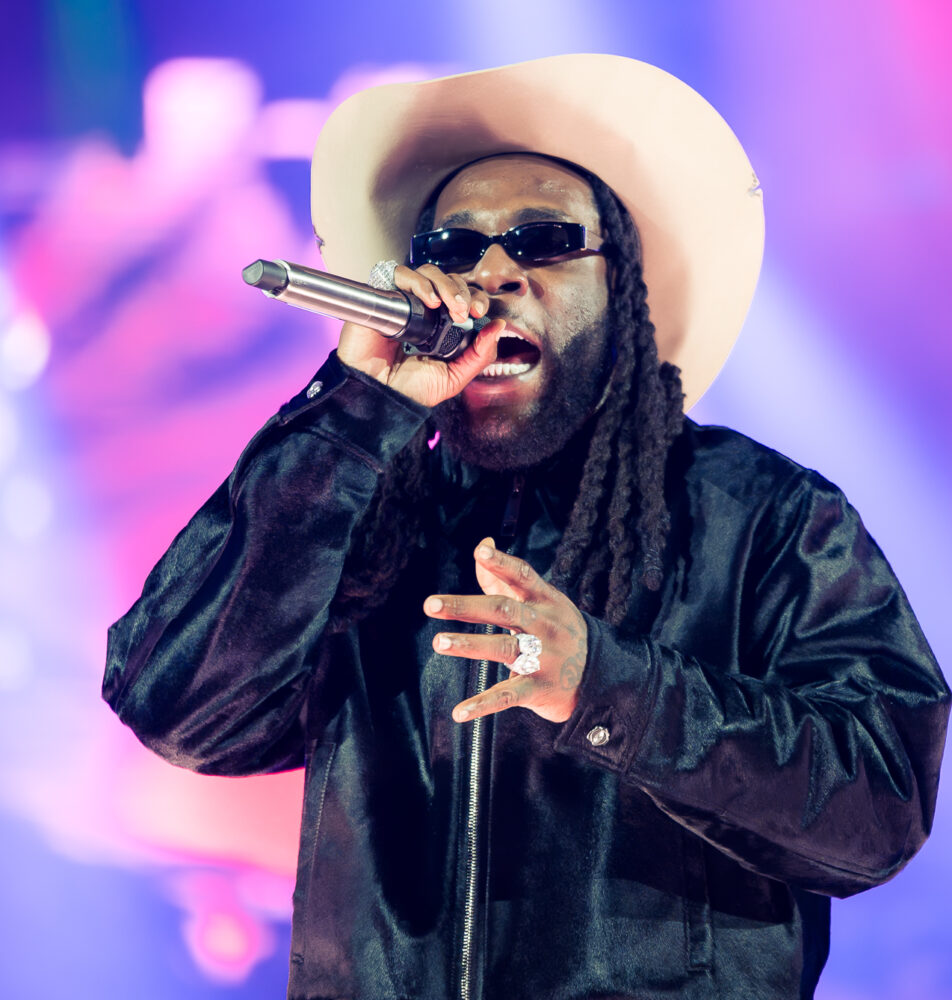
The two stars carried on with the genre in a great rivalry in the global stages until the likes of Burna Boy and Tems stabilised the international growth of Afrobeat. They clinched Grammy awards, respectively, putting the genre in the world map.
Davido
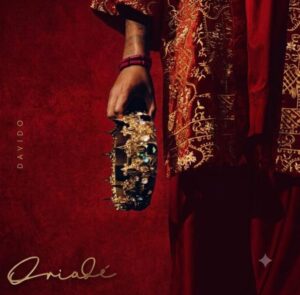
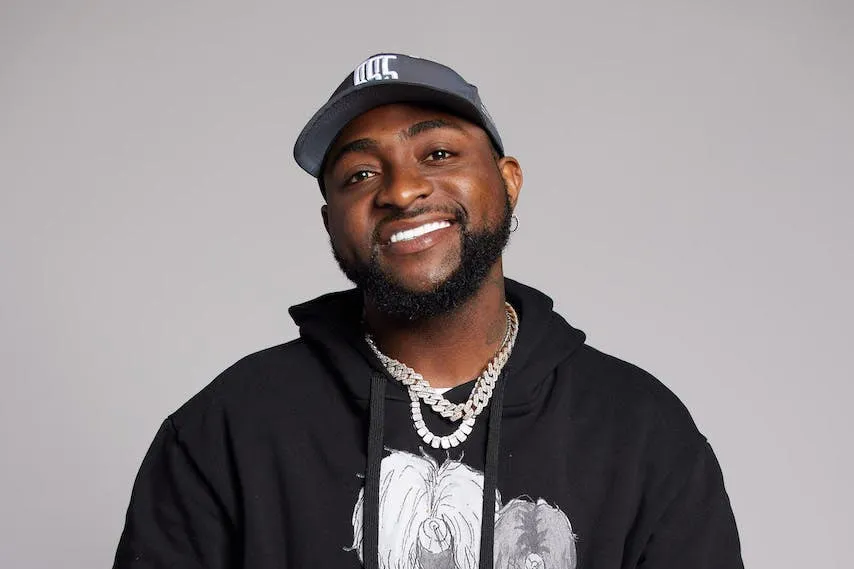
Nigerian singer and songwriter David Adeleke, who is known popularly as Davido, is an Afrobeat Maestro who has surpassed several dimensions to attain his spot at the top.
The Nigerian singer was born in Atlanta, U.S., and was raised in Lagos, Nigeria. Growing up and aspiring music as his only vocation, Davido debuted in music as a member of the group KB International. Back in school, Davido studied business administration at Oakwood University. He would drop out to make beats and record vocal references.
This would push him into trying out music. His first release emerged to be a hit: “Dami Duro,” a track from his debut album “Omo Baba Olowo,” which attained him prominence and skyrocketed him to fame. He would win the next rated artist at the headies award the next year.
At this phase, the young talent didn’t hesitate to utilise his opportunity, releasing other hit songs like “Gobe”, “One of a Kind”, “Skelewu”, “Aye”, “Tchelete (Goodlife)”, “Naughty”, “Owo Ni Koko”, “The Sound” and “The Money”.
His consistency also earned him a record deal with Sony music, attaining him a full Stance to achieve a milestone in the music curriculum. The Nigerian singer advanced to finding his own record Label and signed several incredible artists who carried his label to the top.
While everyone soared in their niche, Davido released several album, which bagged him several awards, including Grammy award nominations.
Alongside Wizkid and other stars, Davido pioneered the new era Afrobeat that inspired the likes of Rema, Fireboy, and Asake.
The pioneered view of the Afrobeat genre sparks heavy influence attatched to Davido, following how he has helped incredible stars to stardom, thereby maintaining a stable ground for the growth of Afrobeat.
His influence triggered the rise of the new generation Afrobeat stars, having embodied dominance at the top for over a decade.
Wizkid
Ayodeji Ibrahim Balogun, popularly known as Wizkid, is a Nigerian singer and songwriter who rose to fame by releasing incredible hit songs that defined his class.
Overly convinced, Wizkid was all for music, following how he showed impactful signs of his rare talents from his childhood.
Wizkid kick-started his musical career at the age of 11, the same era he released a collaborative album with the Glorious Five_, a group he formed with his church friends. This served as a pinpoint to his early beginning. Before his early teen, he had already signed to EME owned by his guide, Banks W.
Embracing his opportunity, Wizkid released his debut album Superstar in 2011. The lead track off the album “Hola at your boy” attained him the prominence he needed to exceed levels. As anticipated, Wizkid released more hits songs that stabilised his fame. He would carry on with his dominance until he went solo in 2014 after renegotiating his contract with EME.
His solo career emerged to be a success, firing him to a legendary spot in the Nigerian music firm. This was backed with the indigenous, global annual musical awards he bagged, averaging numbers that positioned him as the African most awarded musician with over 120 plaques and trophies, including a Grammy trophy.
To date, Wizkid serves as the sole point of inspiration among the young generation Afrobeat stars amid how they look up to him.
Wizkid and Davido’s influence
At the early phase of Wizkid and Davido’s career, just after they attained prominence, They bonded as friends.
Their approach to fame, making waves together as young stars in the Nigerian music firm attracted fan base to them. Wizkid and Davido performed together at various concerts.
However, what seemed to be a perfect bond turned out to be worse after the two developed a strong dispute via their influence.
This would aid the growth of Afrobeat new generation for music lovers in Nigeria chose sides, making Wizkid and Davido two biggest music maestros in Nigeria.
The first dispute between the two transpired in 2014 after the heavy comparison from fans influenced their approach. It was no longer a wave to ignore as the two embraced the comparison.
The rivalry would infuse when the two exchanged words on various social media platforms. Initially, in 2014, Wizkid bragged about performing at major vanues, which was allegedly considered a jab at Davido. Forward to 2017, Davido allegedly made a fresh swipe at wizkid after promoting pon pon sound against Wizkid’s international sound. It didn’t sit well with Wizkid, who demeaned Davido’s talent, calling him a frog voice. The fued would span for several years until 2018, when they squashed their beef.
It would be revived in 2024. This emerged to be the most direct exchange between the two on social media. The two exchanged heated arguments online, infusing their already buzzing rivalry.
This strengthened their fan base, aiding to the stability of Afrobeat across the globe, following how their fans often support them to prove a point in any situation.
It’s impact in Africa
In current days, the Afrobeat genre is widely celebrated and recognised as the best and hottest genre of music in Africa. This is backed with overall statistics that have continued to improve yearly.
From confirmed sources, Nigeria leads the board as the most influential country musically.
South Africa
South Africa embraces the second phase in this category, having dominated the music curriculum in the past few years.
Relating to the vital overview of South African music, before colonization, South Africa was known as a divided country bounded with various cultures aligned with distinct music. The music thrived through communication, rituals, and tradition. Relatably, tribes like Nguni peoples, including the Zulu and Xhosa, depict vocal music, mostly cappella singing, exhibited with signature dance. Also, tribes like imbongi exhibited poetry type of music that was used to sing praise to a chief or ancestral spirits.
Even though South Africans were mainly vocal, invented instruments were also used. This instrument features umakhweyana (a musical bow) and various flutes. Rattles and ramkie. Also, three – or four-stringed guitar, influenced by slaves from the Indian Ocean basin, were used.
Colonization gave rise to further enhancement as they embraced British instruments featuring mostly drums and other unique instruments. European traveling bands impacted heavy influence in reforming their sound as they were introduced to instruments like trumpet, piano, and banjo.
These instruments inspired the formation of street-parading bands that thrived mostly in Cape Town, which is still active as “Kaapse Klopse” (Cape Minstrel Carnival) to date. This would eventually advance to the rise of township music. In the 1920s, marabi became a recongnised black urban music.
It was a keyboard-based style, which was often played in a simple, three-chord harmonic structure. Marabi was a sole toll to leisure as it drove people through hardship, making it quite easy. The genre reformed to new styles identified as “Kwela,” or “pennywhistle jive.” Evolving from Marabi, Kwela embodied the characteristics sound of the pennywhistle _ a simple instrument often played by street performers. This would ameliorate to township jazz, attributed to harmonies, vocal and instrumental excellence.
Through several approaches, experience, and improvement thrived more, resulting in the birth of South African music pioneers.
The Makgona Tsohle Band, led by musicians like Marks Mankwane (guitar) and Joseph Makwela (bass), were identified as the early pioneers who established and stablised Mbaqanga sound in the 1960s. Inspired by legendary vocalists like Simon “Mahlathini” Nkabinde and the Mahotella Queens, they were able to balance the genre.
Also, other pioneers dominated distinctively to formalise the genre identified as Kwaito. Despite that their are various pioneers attributed to the genre, Arthur Mafokate is often called the “King of Kwaito” for releasing the first official Kwaito hit with his song “Kaffir,” that dominated the music field. Legendary pioneer like M’du Masilela also impacted this genre as he was the first to mix bubblegum with UK and US house music in the 1980s.
Also, John Bhengu, popularly known as Phuzushukela, thrived in a diverse genre Maskandi and was considered the pioneer of the genre. It is also known as Zulu folk music. The ability attatched with his distinctive finger-picking guitar style was the vital element that popularized the genre globally.
Overall, Miriam Makeba, who is often referred to as “Mama Africa,” became a global icon and would be the vital figure who would introduce South African music to the Western audience, attaining world recognition and effectively popularized the Afropop and world music genres.
The rise of Amapiano
Having set bars for the younger generation, they were inspired and found a new new sound comprising of jazz, and kwaito music, which dominated South Africa’s cities in the early 2010s.
The new sound would widespread through several phases until it grew on social media platforms like whatsapp, then TikTok and struck the global stage.
At the early phase, it was just a normal local sound enjoyed among youths until its major kick thrived through the media. Despite the view of its underground influence, it was authentic and was dished with limited sources, which even infused its uniqueness. In the mid-2010s, the sound rose beyond underground recongnination, premiering in radios and streaming platforms, inducing the likes of MFR Souls, Kabza De Small, DJ Maphorisa, and MDU aka TRP as the sole pioneer of the new sound.
Rise of key pioneers
The sound once considered as a local underground genre rose against all odds, dominating the global stage. As expected, it also gave rise to incredible artiste who formalised the genre and reformed it to its current global dominance.
Even though it didn’t look like a life changing collaboration,
Kabza De Small and DJ Maphorisa bond served as a major boost to Amapiano’s excellence. “Scorpion King” as the group name presents solidified Amapiano to its professional status. Their crafts spread through major platforms, impacting scenes across all the globe. Other inspired stars like Focalistic, Lady Du, and Mr JazziQ also joined the genre, impacting further instant growth.
Mainly, the breakthrough paved through TikTok where Amapiano dancing inclined tracks like “John Vuli Gate” and “Jerusalema” accumulated incredible interest among users. It spread so fast that Western music enthusiasts embraced the sound. It recorded multi-million engagement as users engaged in a proposed dance challenge using the sound.
The influence eventually attracted global stars like Davido, who collaborated mainly with Focalistic. It became a success to the point that it maneuvered it way to the Nigerian music curriculum, destabilizing Afrobeat. Burna Boy also played a huge role by collaborating with two Amapiano pioneers.
The influence dominated the music charts and nearly overthrowned the Nigerian music heat, but because Nigerian stars embraced Amapiano and inducted it to their own genre, they were able to maintain their stance in Africa.
Today, without a doubt, South African music sits comfortably in the second spot of the most dominant genre in the African charts.
Contrary to the dominance, South Africa has since then produced incredible stars who have carried the genre to another level.
Uncle Waffles
Lungelihle Zwane, who is popularly known as Uncle Waffles, was born on 30th March 2000 in Swazi, South Africa. She is adored for her incredible impact on the early days of Amapiano as she is often identified as the “Princess of Amapiano.” However, before this impact, Uncle Waffles navigated through inspiring process to achieve her peak.
Because Waffles wasn’t overly on good terms with her mother, she was raised by her grandmother until her teenage era. Before fame, Uncle Waffles worked as a presenter on Eswatini TV. While working as a TV presenter, he was introduced to DJing, which she mastered and thrived in. During covid 19 lockdown, Waffles explored through her craft and switched to professionalism, earning high gigs through her contract with South African creative agency KreativeKornerr.
Her fame would emerge in 2021 when a TikTok video of hers dancing to a viral song “Adiwele” by Young Stunna during a set at the Zone 6 nightclub in Soweto went viral. Her high-energy, inclined performances also attracted the likes of Drake, earning her instant prominence. She exploited her chance, releasing several hit songs that defined her musical qualities. This added to her status, making her one of the hottest Amapiano artist carrying the genre across the globe so far.
Having maintained her dominance to date, she is adored as one of the early pioneers of Amapiano.
Tyla
South African wonder youngster, Tyla also shares a space in boosting the new wave of South African music. However, Tyla pushed a unique sound very distinct from Amapiano across the globe.
The youngster was born on 30th January 2002 to a remote mixed family living in Edenvale, Gauteng. Growing up in Johannesburg, Gauteng, she was able to attain her education and graduated from Edenglen High School in 2019.
As of the time phase of her final year, Tyla was already showing interest in music, posting her original songs and covers on social media platforms. Her qualities would attract her first manager, Garth von Glehn, who pushed him through prominence. He organized and introduced Tyla to recording sessions. According to Tyla, she spent most of her final school days in the studio.
Tyla first major blow transpired in 2019, after her debut single “Getting Late” bagged her a record deal with Epic Records in 2021. As anticipated, she utilised her opportunity with another hit single “Water,” which served as her breakthrough single. Water dominated social media platforms, especially TikTok. The song would go on to bag Grammy nomination, emerging top amidst Afrobeat Giants, including Wizkid.
Tyla proved her musical qualities the following year, bagging mutiple annual musical awards to her name. The awards she has won so far include two MTV Video Music Awards, two BET Awards, three MTV Europe Music Awards, and the honorary Global Force Award at the first Billboard R&B’s No. 1’s, among nominations for a Brit Award, an Ivor Novello Award, a Soul Train Music Award, and nine South African Music Awards.
Despite her age, Tyla has set the status of South African music to the top in the world of global musical recongnination.
Ghana
Among the African music charts, Ghana embraces the third spot, averaging a spot that defines their current dominance in Africa.
Ghana music reflects on their early culture that grew beyond perfection. It was a mix of their traditional and western sound crafted from several genres that evolved from time. In contrast, the genre is attached to their colonial past, independence, and modern global connections.
Ghana’s Traditional Music
Before colonization, Ghana music was completely affixed to their culture of various ethic groups in the country. The north was influenced by the Sahelian musical traditions where instruments like kologo lute and gonjey fiddle were the sole pinnacle of their approach. The South portrayed a similar obsession with locally made instruments like
drums and bells they used for gathering and spreading information. This impacted among the people of Akan, Ga, and Ewe. Other instruments like seperewa harp-lute and the wooden gyil xylophone were vital. In general, the music conveyed a symbol of fiesta, traditional, and communication.
The rise of Ghana Highlife music
Highlife rose in the 19th – 20th century in the coastal towns of the then Gold Coast. It was officially brought to shore by the Europeans, which was reformed to a sound that represented the Ghana as a whole.
Before Ghana’s early, highlife pioneers thrived in their various niche, military brass bands from the British military played a huge role in introducing them to instruments like trumpets, trombones, and saxophones. Also,
European dance music groups introduced them to incredible instruments like ballroom waltzes and foxtrots.
Driving various skills from these colonial impacts, including folk music from foreign sailors, helped them craft out their early established genre, Highlife.
While local people struggled to afford high class band, local bands formed by Ghanaian civilians through Highlife influence soared to top. These individuals would emerge to become the pioneers of Highlife music in Ghana after they recorded incredible local fan base.
After Ghana independence had inflicted freedom across the nation in the 20th century, pioneers like E.T. Mensah and his band, The Tempos, helped in popularizing the genre across West Africa. With a sound made from local Ghanaian rhythms and foreign musical styles.
jazz and calypso rhythms would formalise into a danceable catchy rhythm that thrived among civilians. It was mainly pinpointed to celebrating freedom and reflected overly on their independent nation. Other bands like African Brothers led by Nana Ampadu and Ramblers International flourished the genre.
Perhaps the music evolved along with political activities and crises the country foresaw, which changed their approach in music over time. A period of political instability and military coups in the 80s introduced Ghanaians to gospel music as musicians were only allowed to perform in churches amid the crises. At the same period, a new form of genre called Burger Highlife arose among civilians. The genre consisting of a mix of
traditional Highlife sound with disco and synth-pop became a major sound pioneered by the legendary singer George Darko.
Also, in the 90s, following the growth of hip hop globally, Ghana music also spread to another dimension, evolving to hip hop. Incredible stars blended with the new sound and rapped in their local language (Twi and pidgin) over hip-hop beats mixed with Highlife elements.
The rise of Ghanaian Afrobeat
Afrobeat formalised its stance in the late 90s. Musicians bounded to the genre fused traditional Akan and Ga rhythms with Western instruments like horns and brass bands to establish a distinct rhythm already making waves across Africa. The genre grew around hip-hop, R&B, dancehall, and pop emerging as the new cycle for the era. Carried by the mid-pioneers like
Sarkodie, Stonebwoy, and Shatta Wale, new generation stars like King Promise, KiDi, and Gyakie, pushed the genre to another level.
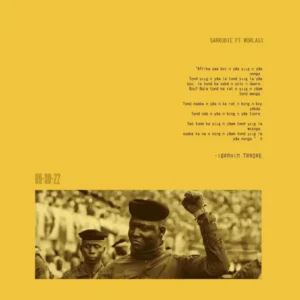
Sarkodie
Born as Michael Owusu Addo, Sarkodie grew in the Ghetto, where he all aspired to thrive in his musical career.
From his early childhood, he has already started rapping and was incredibly recognised in Tema, Ghana. He would advance along with his growth, engaging in several local musical competitions.
His first approach emerged during his time as an underground rapper when he participated in Adom FM’s popular rap competition Kasahare Level. His dominance and style of rap linked him to his former manager, Duncan Williams of Duncwills Entertainment, while participating in the aforementioned competition. This second competition also linked him to incredible musicians like Edem and Castro, who later introduced him to Hammer of The Last Two_, an established record producer, who pushed him beyond expectation.
People can now listen to Sarkodie through an established platform, exposing him to greatness. Also, he didn’t hesitate to utilise his opportunity, deploying incredible hit songs that defined his stance in the Ghanaian music firm.
Releasing his first studio album, Makye, Sarkodie skyrocketed to fame. He would maintain his fame across Africa, releasing further albums that earned him a rigid fan base.
To back his greatness, Sarkodie earned several international musical awards, setting bars for the Ghanaian music global influence.
To date, Sarkodie is recognised as one of the early pioneers of Ghanaian hip-hop and Afrobeat culture, following how he perfected the already evolved sound.
Shatta Wale
Charles Nii Armah Mensah Jr. is a Ghanaian Dancehall meastro who was born on 17th July 1984 in a middle-class family.
His rise to fame went through a complicated process as he strived so hard to attain prominence.
His first approach to fame transpired in 2004 when his hit song “Bandada from Ghana” went viral, making numbers and attaining him prominence. The song dominated major charts and was nominated for the Ghana music award, which even infused his stance in the Ghanaian music firm.
In 2013, Shatta Wale formalised his dominance, and kicked in with his own record label, SM For Lyf Records. Also, He reformed his popularity with the single “Dancehall King,” which bagged him the “Artiste of the Year” award at the 2014 Vodafone Ghana Music Awards.
The Ghanaian star is currently adored for his influential contribution to the growth of Ghanaian music so far.
Morover, he also backed his influence with various musical awards, including Best African Dancehall Entertainer at the International Reggae and World Music Awards (IRAWMA). Other stars like Stonebwoy aided to the current dominance in the African music charts. Another star like Sarkodie influenced the rap category. While Hip Hop made its round in Africa, Sarkodie helped reform Ghanaian version and pushed it across Africa, stabilising the genre in Ghana as a whole. He collaborated with several vocalists, earning his mark overly beyond expectation. Along with Wizkid, he is recongnised as the most awarded African music meastro.
From various niches, Ghana music has been able to grow expectionally, covering every possible stance for dominance and hierarchically maintaining their spot in the top 5 rank in Africa.
Tanzania
Related to the history of other great nations, Tanzanian music evolved from traditional rhythms, colonial influences, and modern innovations. An approach to music foresees Tanzania embracing the fourth spot on this category. Having dominated the African charts with their grounded genre, Tanzanian music has set a glance to evolved musical success.
Early history
In the early days of Tanzanian existence, traditional music known as Ngoma was the sole pinnacle of anything called sound in Tanzania. They used it to exhibit traditional activities, including communication..
Diverse Ethnic groups of over 120 portrayed unique musical styles backed with distinct instruments that represented their identity. Ngoma represented entertainment, work songs, lullabies, religious rituals, and ceremonial music for weddings and funerals.
They thrived in their music until the 20th century when colonization influenced their musical style. The foreign style was mainly structured around incredible instruments. Interested Tanzanians evolved into a new category of music. Influenced by Arabic and Indian Roots, the sound was formalised and identified to be Taarab music. The genre exhibited roots in Islamic culture, while it dominated the coastal regions. It would also evolve to Cuban Rumba and Dansi in the 1930s. This would inspire the rise of “jazz” bands and dance clubs, which impacted wholly on brass and percussion instruments. Also, the return of soldiers from World War II would inflict a new style, Muziki wa Dansi (dance music), which fused African, Latin, Cuban, and European musical styles. This sound thrived among Civilians for several years until it evolved with bands, foreseeing them creating their own unique styles and dance moves.
In the early 90s, the introduction of hip hop would impact the musical evolution of the discovery of Bongo Flava. This genre thrived among civilians through the influence of local sounds, US hip-hop, and reggae. Local artists began rapping to the beats, initially with English, until they gradually transitioned to Swahili.
The incredible growth of FM radio stations aided the spread of Bongo Flava across Tanzania and other East African regions. It blended among various civilians to the point that it sparked a global recongnination.
The rise of the new generation artist
While the pioneers carried Tanzanian music to a new feat, the likes of Diamond Platnumz embraced his already categorised opportunity and utilised it, fusing his style with the evolved rhythm. He would push the genre to global recongnination, collaborating with the likes of Davido and Psquare.
His collaboration with mainly Nigerian stars sparked his global recongnination, introducing Tanzanian music to the world.
Collaboration with Davido was the peak pinnacle of his global stardom. The song “Number One” helped in blending Tanzanian culture among other nations, following how Davido sang fluently in the Tanzanian dialect. Like anticipated, Diamond Platnumz broke into the Nigerian market, collaborating with more incredible stars, including Psquare and Flavor, stabilising his niche. The collaborations turned out successful, skyrocketing him and Tanzanian music to the global reach.
Diamond Platnumz
Naseeb Abdul Juma Issack, who is popularly known as Diamond Platnumz, is a Tanzanian singer, songwriter, and dancer who rose to fame following his consistent approach with the already evolved Tanzanian music.
Growing with musical ambition, Diamond kicked in with his musical career in 2006, bagging studio recording sessions with the earnings he made from selling secondhand clothes.
Forward to 2020, Diamond Platnumz attained his initial prominent after his single “Kamwambie” made a mark in Tanzania, bagging several major awards that defined his incredible musical qualities. This was followed by his global recongnination, sparked by his collaboration with the Nigerian singer Davido.
Conclusion
Africa didn’t just grow in their culture, the sole ability of the continent to embrace foreign phenomenon and reform it to the best version is highly admired among other continent. Also, the evolution of music in Africa has proven how far the continent has soared over several decades. Civilization didn’t flinch in their origin, blending just right over the new reformed genres, representing Africa as a whole.